By Steve Rawls
May 13, 2026
The roofing industry has evolved over the years, and local roofers offer a variety of materials designed to enhance durability, energy efficiency, and aesthetic appeal. This comprehensive evaluation of reflective shingles, metal roofing, and membrane systems aims to guide readers in selecting the most suitable roofing option for their requirements.
Traditional Asphalt Shingles
Affordability and Accessibility
Traditional asphalt shingles remain one of the most widely used roofing materials due to their cost-effectiveness and availability. They offer an attractive option for homeowners seeking reliable protection without the higher upfront investment associated with metal or specialty roofing systems. Installation is generally straightforward, which can further reduce labor costs and project timelines. For many property owners, asphalt shingles provide a practical balance between performance and budget, making them a go-to choice for both new construction and roof replacements.
Versatility and Aesthetic Options
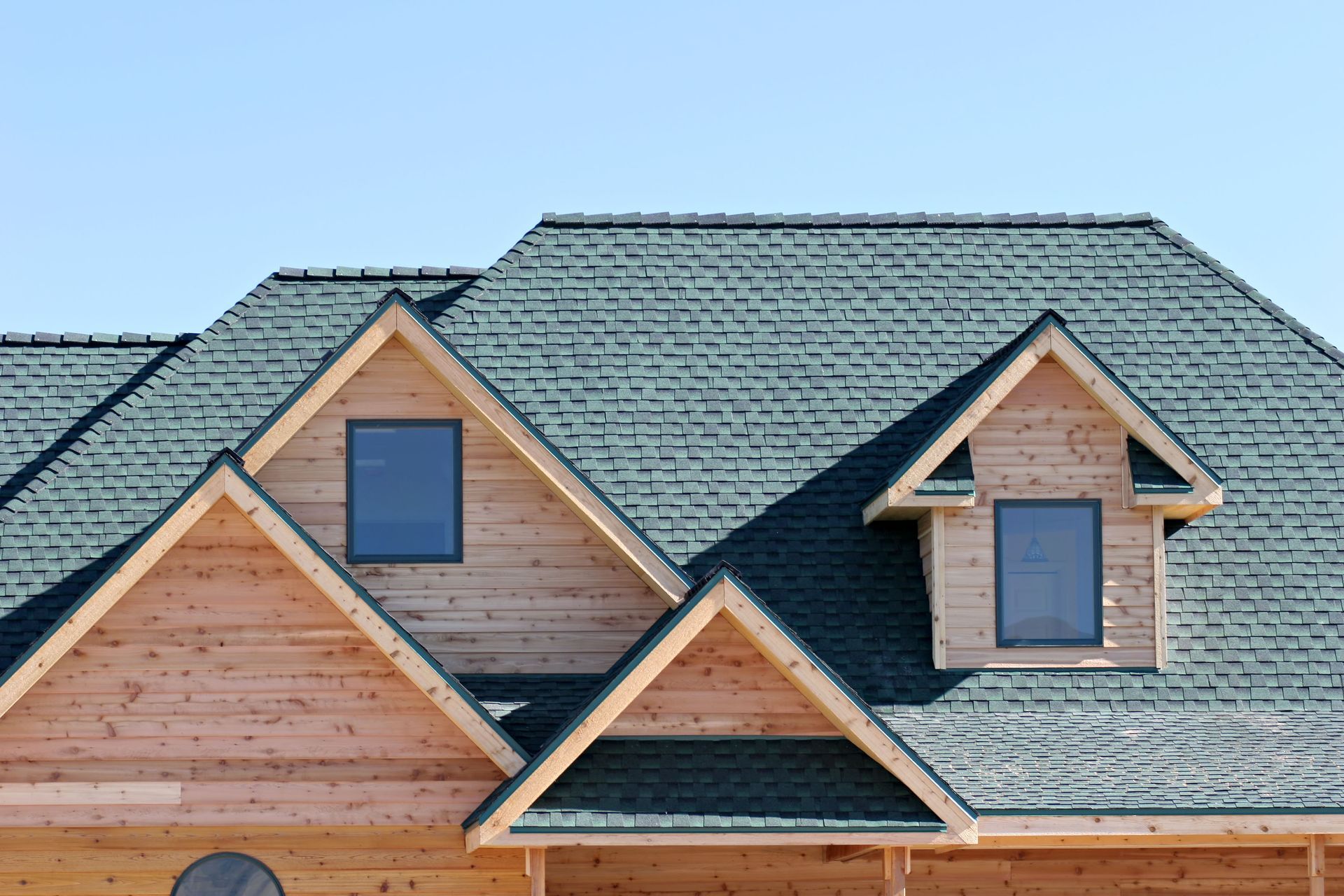
Asphalt shingles are available in a wide range of colors, textures, and styles, allowing homeowners to match their roof to virtually any architectural design. From classic three-tab shingles to more dimensional architectural varieties, they can mimic the look of more expensive materials such as wood or slate at a fraction of the cost. This versatility makes them especially appealing for residential properties where curb appeal plays a significant role. Additionally, their adaptability allows for easy repairs and replacements, as matching existing shingles is typically simple and accessible.
Maintenance and Considerations
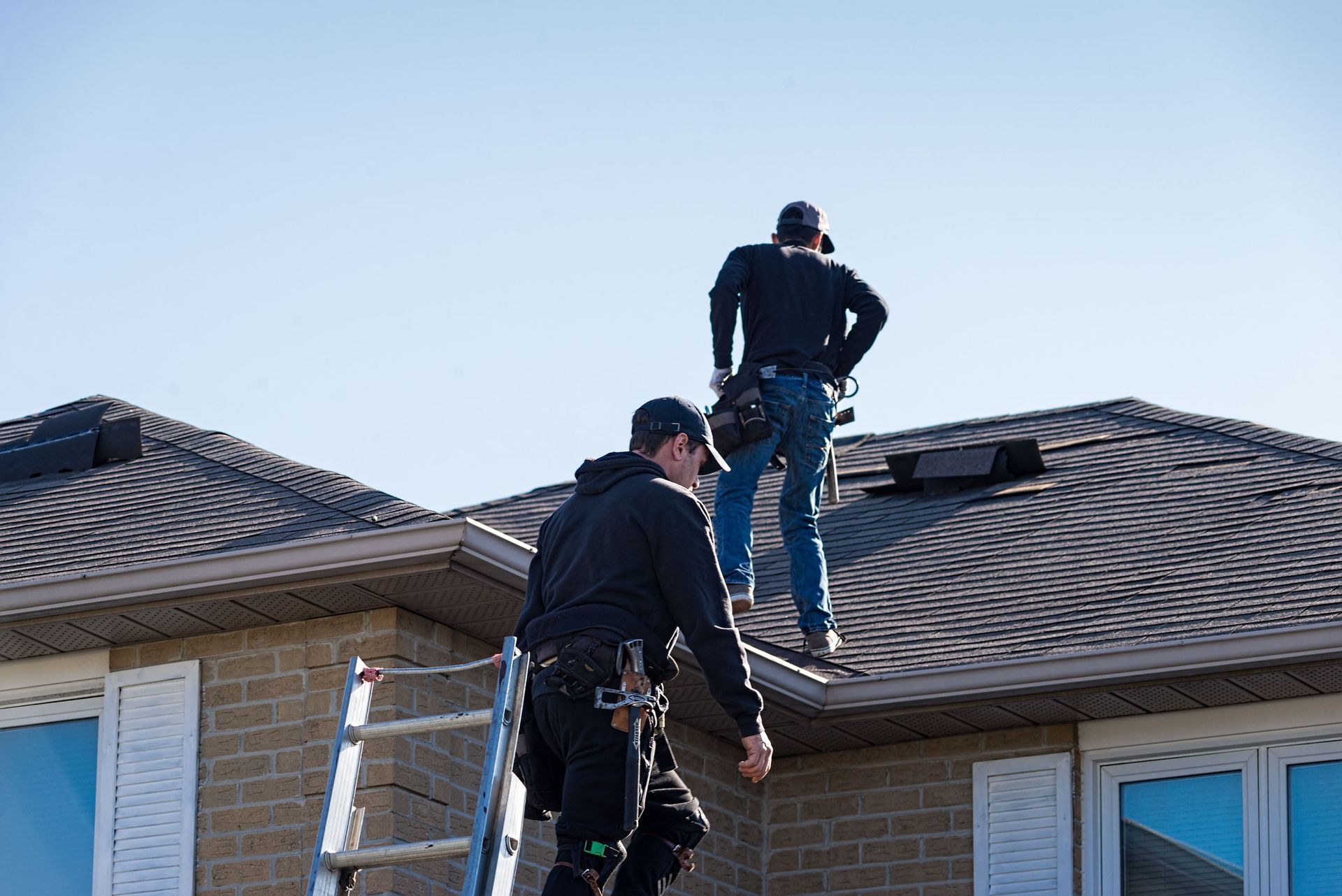
Routine maintenance is key to maximizing the lifespan of an asphalt shingle roof. Periodic inspections can help identify issues such as curling, cracking, or missing shingles before they lead to leaks or structural damage. Proper attic ventilation and insulation also play a crucial role in preventing moisture buildup and heat damage, both of which can shorten the roof’s lifespan. While asphalt shingles may require more frequent maintenance compared to some premium materials, their lower initial cost and ease of repair often offset these considerations.
Metal Roofing
Energy Efficiency and Insulation
Metal roofs are known for their reflective properties, efficiently deflecting heat—and thus playing a crucial role in energy savings. In combination with adequate insulation, metal roofs help maintain consistent indoor temperatures regardless of external weather conditions. The reflective quality of metal can be further enhanced by coatings designed specifically for energy efficiency. These systems work to reduce the cooling load on HVAC systems, similar to reflective shingles, promoting overall building energy efficiency. While metal roofs contribute greatly to energy savings, their performance does depend on installation quality and the type of underlayment used. Ideally, they should be part of a comprehensive energy management strategy within a building.
Longevity and Durability
Metal roofing is highly valued for its longevity, often far exceeding other common roofing materials. Its durability stems from its resistance to weather elements, including wind, hail, and even fire, making it a robust option for most climates. Regular inspections can help identify any potential issues early and ensure that the protective coatings remain intact. While metal roofs are incredibly resilient, the choice of metal type influences their performance in specific environments—copper may outperform others in coastal conditions due to its innate resistance to corrosion. Investing in a metal roof is a long-term decision that can shield a property from a multitude of environmental threats. Overall, it provides a cost-effective advantage by minimizing repair and replacement needs over its lifespan.
Financial Considerations
Although the upfront cost of metal roofing can be significant, homeowners should consider it an investment due to its durability and energy-saving properties. When calculating total expenses, it's important to account for the installation, any treatment or finishes, and potentially higher insurance premiums. The longevity and minimal maintenance of metal roofs often justify the initial outlay, offering cost savings over time. In many scenarios, they enhance the property's resale value due to the combination of aesthetic appeal and lasting protection. Metal roofing's financial viability is reinforced by its proven track record in structural and environmental resilience.
Membrane Roofing Systems
Types of Membrane Roofing
Membrane roofing systems consist of a range of materials, including EPDM, TPO, and PVC, each with distinct features suited to specific applications. EPDM, a synthetic rubber membrane, is recognized for its excellent weather resistance and flexibility. TPO, or thermoplastic olefin, blends the best characteristics of rubber and plastic, offering energy efficiency, durability, and cost-effectiveness. PVC roofing, formulated from polyvinyl chloride, provides robust protection against environmental elements, including chemicals and UV rays, often used in commercial applications. Understanding the various membrane systems helps in selecting a roofing solution that aligns with specific needs, whether it's energy efficiency for residential properties or chemical resilience for industrial buildings.
Thermal Performance
Membrane roofing systems contribute significantly to thermal performance, often incorporated in designs that aim for high insulation values. According to Fixr.com, the U.S. cool roof market is expected to grow at a CAGR of 7.06% from 2025 to 2035, showcasing the rising demand for heat-reducing roofs. The reflective properties of TPO and PVC help reduce cooling loads, effectively managing indoor temperatures in demanding heat conditions. EPDM is particularly useful in colder climates due to its exceptional heat retention capabilities. The thermal performance is directly impacted by the quality of materials used and the excellence of installation procedures, including seam integrity and adherence to substrate surfaces. This efficiency makes them a preferred choice for many applications seeking thermal regulation and energy conservation.
Resistance to Environmental Elements
Membrane roofing systems shine in their ability to resist various environmental stresses, pivotal for areas exposed to harsh weather conditions. They are manufactured with inherent resistance to UV damage, thereby retaining their structural integrity and appearance for extended periods. Membranes like TPO and PVC feature additional chemical resistance, which imparts endurance in industrial environments. Their smooth surface also facilitates easy water runoff, reducing the risk of leaks or water damage. The integration of advanced materials into roofing membranes ensures that they offer exemplary protection against environmental constraints while maintaining performance standards. Regular inspections and appropriate maintenance further sustain their resilience over an extended lifecycle.
Decision-Making and Selection Criteria
Assessing Specific Building Needs
Every building has distinct needs that influence optimal roofing choices, factoring in size, architecture, and intended usage. Analyzing the structural design and roof slope directs material selection toward options that match both functional and aesthetic criteria. Commercial buildings might favor membrane systems for their cost efficiency and energy benefits, while residential homes could prefer the visual appeal of reflective shingles or the resilience of metal roofing. Understanding the building's purpose and exposure to environmental factors aids accurate selection. Consulting with your local roofer can focus decision-making to align with specific structural characteristics, maximizing the roofing system's performance and protection value.
Budget and Financial Planning
Budgetary constraints undeniably shape roofing decisions, balancing initial costs with long-term value and savings. Upfront pricing for materials and installation should be carefully contrasted against predicted energy savings and maintenance expenses. Metal and membrane roofs often demand a higher initial outlay but may accrue financial benefits over time through enduring performance and energy efficiency. Financial planning must incorporate the whole lifecycle of roofing systems, from installation to eventual replacement. Integrating financial foresight and exploring relevant government incentives for energy-efficient materials can guide a budget-conscious decision. This approach empowers stakeholders with a clear view of projected returns, complementing their financial and functional goals.
Aesthetic Preferences
Roofing aesthetics significantly impact property appearance, with choices often driven by personal taste and style. Reflective shingles present diverse color and texture options, seamlessly integrating into various architectural themes. Metal roofs’ sleek, modern visage often suits contemporary designs, though colored paints broaden their applicability. Membrane systems, typically utilized for practicality, offer subtle modifications tailored for commercial applications. Homeowners can realize their vision by aligning aesthetics with other essential roofing attributes, achieving an ideal balance between beauty and functionality. Your local roofer can guide you on the many aesthetic choices when your material is chosen.
Ultimately, the right decision hinges on a holistic evaluation of your building’s specific architecture, your regional climate, and your long-term financial goals. While the upfront costs of high-performance materials like metal or TPO can be higher, the lifecycle savings in energy reduction and minimized repairs often outweigh the initial expenditure. By aligning your aesthetic preferences with these functional requirements, you can ensure a roofing investment that provides security, beauty, and sustainable performance for decades to come. If you still need help deciding which is right for you, reach out to a local roofer at Accent Roofing and Construction today.