By Steve Rawls
December 17, 2025
When severe weather hits, your roof becomes the first line of defense between your home and the elements. High winds, heavy rain, hail, lightning, and falling debris can all cause significant damage—sometimes obvious, sometimes hidden. Because even small issues can escalate quickly, homeowners should inspect their roofs carefully after a storm or call in professionals who can perform a thorough assessment. According to the National Roofing Contractors Association (NRCA), regular maintenance can extend a roof's lifespan by up to 10 years, which makes post-storm inspections an essential part of protecting your investment. Understanding what to check, what damage looks like, and when to contact local roofers can help you avoid costly repairs and keep your home safe year-round.
Inspecting for Missing or Damaged Shingles
One of the most common types of storm damage involves missing, cracked, or curling shingles. High winds can lift shingles off the roof entirely, leaving exposed areas vulnerable to leaks. Even if shingles remain in place, they may have loosened around the edges or cracked from wind pressure. After severe weather, walk the perimeter of your home and look for shingles on the ground or visible gaps on the roofline. If you notice uneven patches or darkened spots, it could indicate missing or damaged shingles.
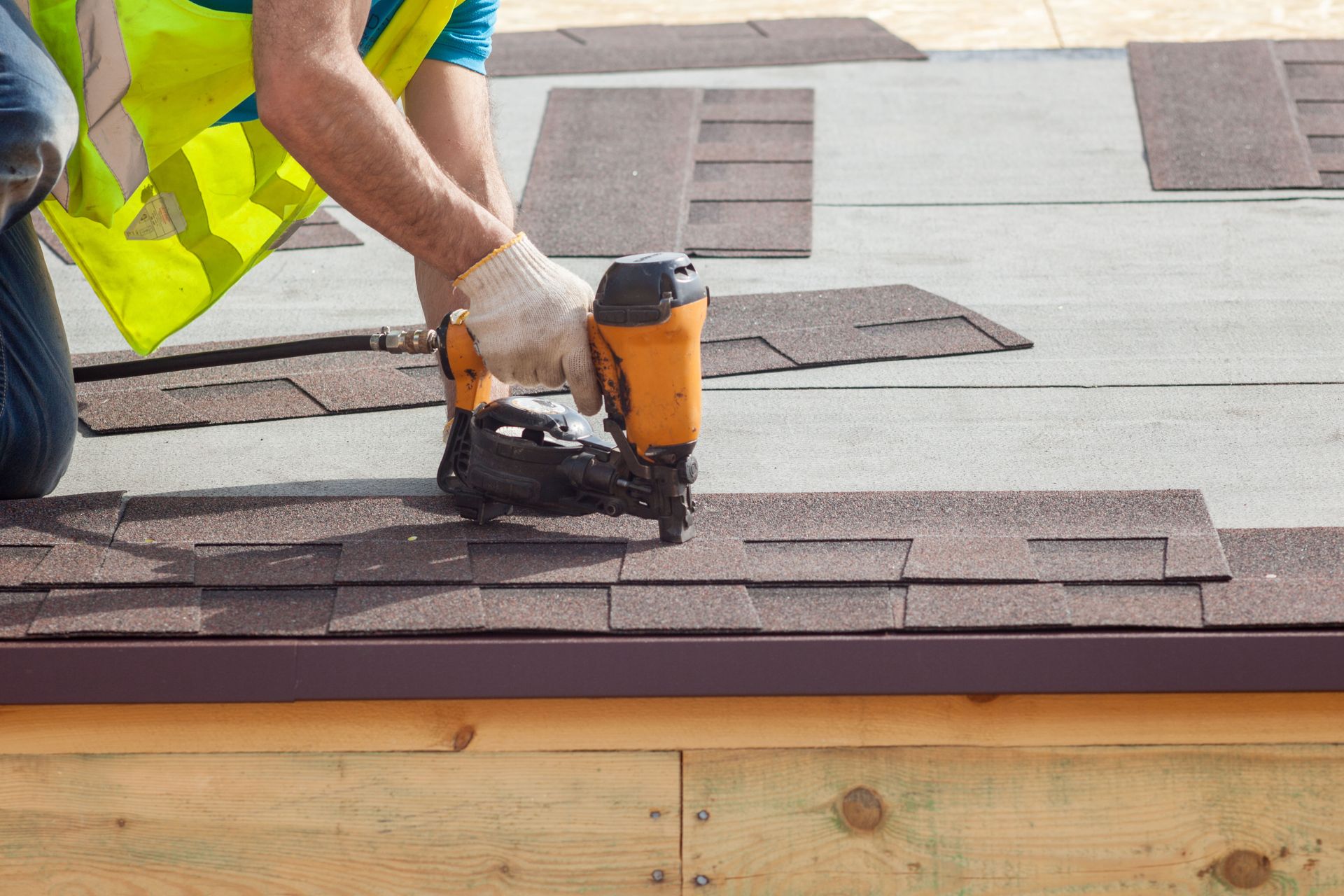
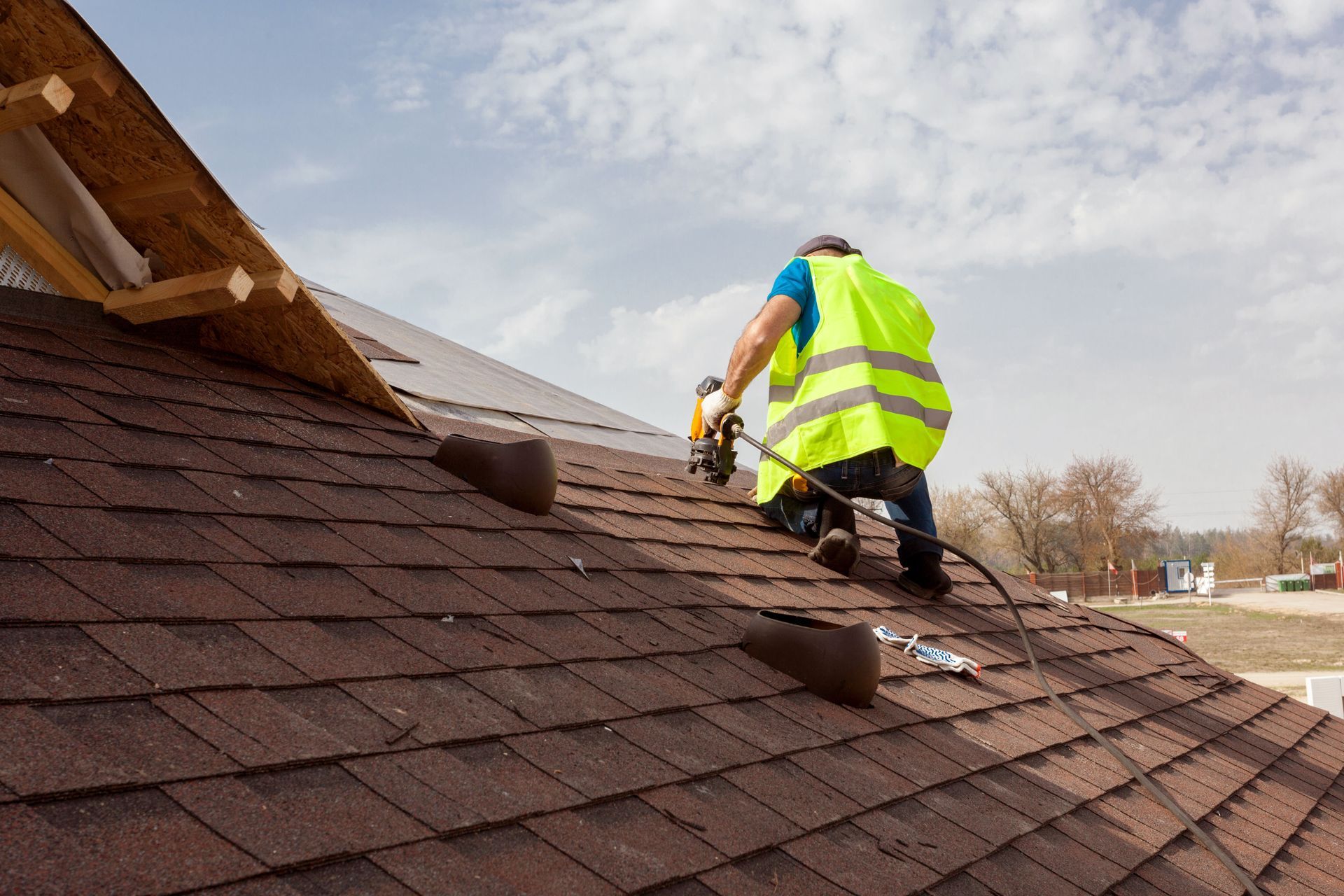
Under normal conditions, minor shingle issues can sometimes go unnoticed, but after a storm, they should be taken seriously. Damaged shingles no longer provide a watertight seal, which allows moisture to seep into the underlayment. If moisture reaches the attic or insulation, it can lead to mold growth, rot, and structural deterioration. Local roofers can assess the extent of the damage and determine whether spot repairs are enough or if larger sections need replacement.
Checking for Granule Loss and Surface Wear
Even if shingles remain attached, strong winds and hail can strip away their protective granules. These granules shield shingles from UV rays and help them shed water effectively. After a storm, inspect your gutters, downspouts, and the base of your home for piles of granules that look like coarse sand. Excessive loss is a sign that shingles may be aging prematurely.
Granule loss is especially important to monitor because it often goes unnoticed until leaks appear or shingles start deteriorating. Without this protective layer, shingles become brittle and lose their waterproofing ability, leading to accelerated aging. Calling local roofers to inspect granule wear can prevent long-term damage and help you determine whether repairs or replacements are necessary to preserve roof integrity.
Evaluating Flashing and Seal Damage
Flashing around chimneys, skylights, vents, and roof intersections is designed to prevent water from entering vulnerable areas. High winds can lift flashing or break the sealant securing it, making these spots likely sources of leaks. After a storm, look for bent metal, gaps along edges, or deteriorated sealant around these structures.
Because flashing issues often require climbing onto the roof to detect, many homeowners choose to contact local roofers for a detailed evaluation. Flashing failure is a common reason for internal water damage, but it is also one of the easiest problems to prevent with timely repairs. Ensuring strong seals and secure flashing can significantly reduce the risk of leaks during future storms.
Looking for Signs of Impact Damage
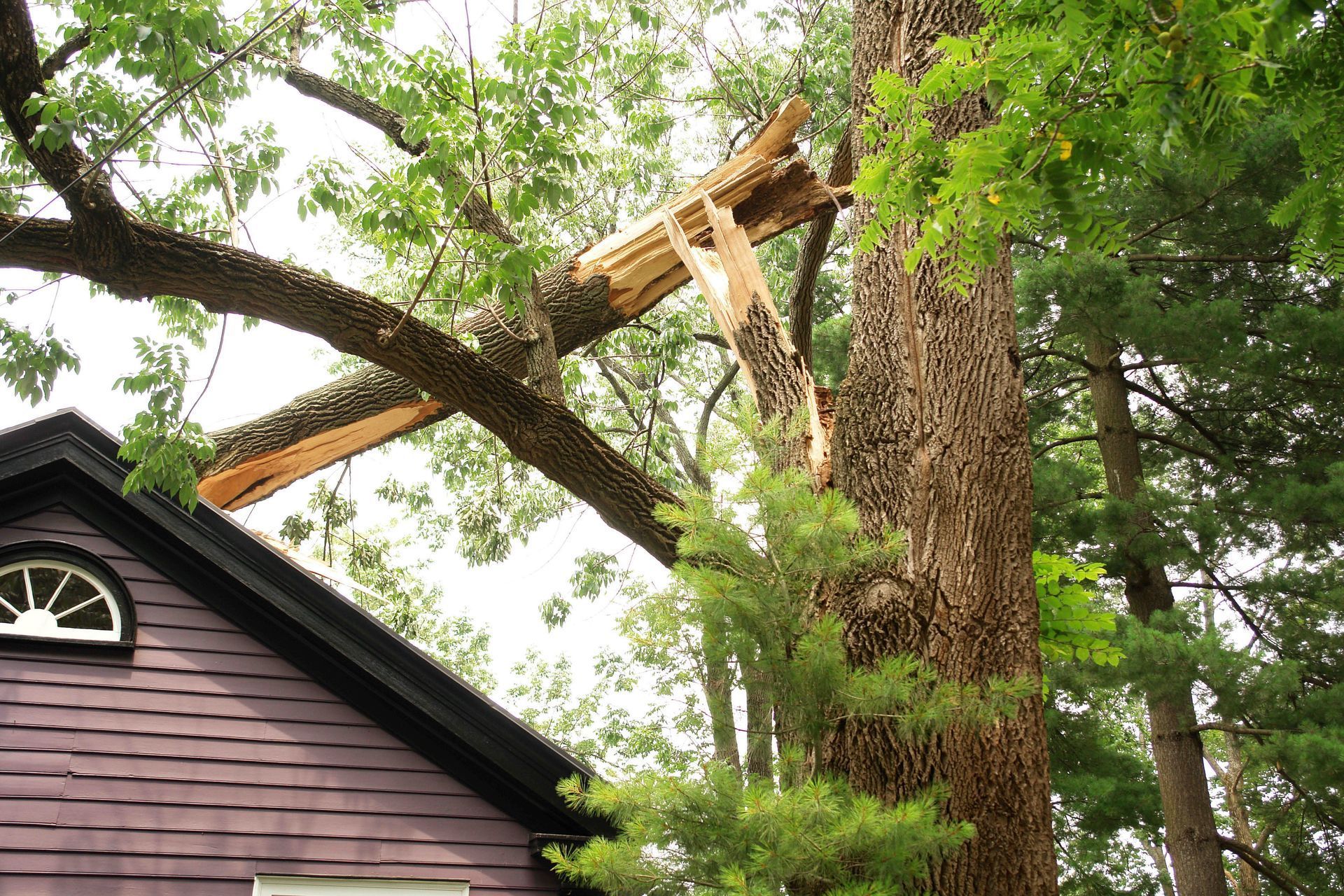
Hail, fallen branches, and airborne debris can cause dents, cracks, or punctures in shingles, vents, and roofing components. Impact damage is often subtle and may not immediately produce leaks. However, even small indentations can weaken the structure of shingles or fracture internal layers.
If a storm involved hail or strong winds that carried debris, inspect metal roofing components for dents and asphalt shingles for circular marks, pitted surfaces, or broken edges. Calling local roofers to perform a professional inspection is wise when impact damage is suspected because the underlying issues may be hidden from view. Early intervention can prevent more extensive structural damage as the roof continues to weather changing temperatures and rainfall.
Inspecting Gutters, Downspouts, and Roof Edges
Gutters and downspouts play a major role in channeling water away from the roof and foundation. Storms can clog gutters with leaves, granules, or debris; dent the gutter system; or detach sections entirely. When gutters fail, water backs up onto the roof, increasing the risk of leaks and rot.
After severe weather, check whether gutters are sagging, overflowing, or pulling away from the roofline. Also inspect fascia boards for signs of water staining or rot. Local roofers often include gutter assessments as part of storm-damage inspections because drainage issues directly impact overall roof performance. Ensuring that water flows freely and away from your home reduces long-term risks.
Assessing Roof Vent and Chimney Damage
Roof vents and chimneys are essential for ventilation and safe home operation, but they are also vulnerable during storms. Heavy winds can loosen vent caps, crack chimney bricks, or displace screens. Damaged ventilation systems prevent proper airflow, leading to moisture buildup in the attic.
Look for cracked chimney mortar, missing bricks, bent vent covers, or detached screens. Even small imperfections can become problems when rainwater enters these openings. Local roofers are trained to evaluate these components thoroughly, ensuring they function properly and remain sealed against water intrusion.
Checking the Attic for Leaks and Moisture
Not all storm damage is visible from the exterior. The attic often reveals early signs of trouble such as water stains, moisture buildup, mold growth, or insulation that appears damp. A roof may look intact from the outside but still allow water infiltration through damaged underlayment or flashing.
Shine a flashlight along rafters, roof decking, and insulation. Look for dark spots, sagging wood, or moisture. The sooner you identify leaks, the easier and more cost-effective the repairs will be. Many local roofers include attic inspections as part of storm evaluations because it helps pinpoint hidden vulnerabilities.
Checking for Sagging or Structural Weakness
Severe storms with heavy snow, long periods of rainfall, or strong wind pressure can cause structural strain on a roof. Sagging areas or dips may indicate weakened support beams or accumulated water retention. While sagging can sometimes be subtle, it is a sign that should never be ignored.
If you notice irregular rooflines or interior ceiling cracks, contact local roofers immediately. Structural issues not only jeopardize roof stability but also pose safety risks. A professional assessment will determine whether reinforcements, repairs, or total roof replacement is necessary.
Reviewing Your Maintenance History
Storm severity plays a role in roof damage, but so does your roof’s maintenance record. A well-maintained roof stands a much better chance of resisting storm damage than one that has been neglected. According to the NRCA, regular maintenance can extend a roof’s lifespan by up to 10 years, giving homeowners a clear incentive to stay proactive.
If your roof has not been inspected or serviced recently, even a minor storm can expose vulnerabilities. Conversely, a roof that receives regular care is more resilient and easier to repair when issues arise. This is why many homeowners rely on local roofers for annual or seasonal inspections to prolong roof longevity and reduce long-term repair costs.
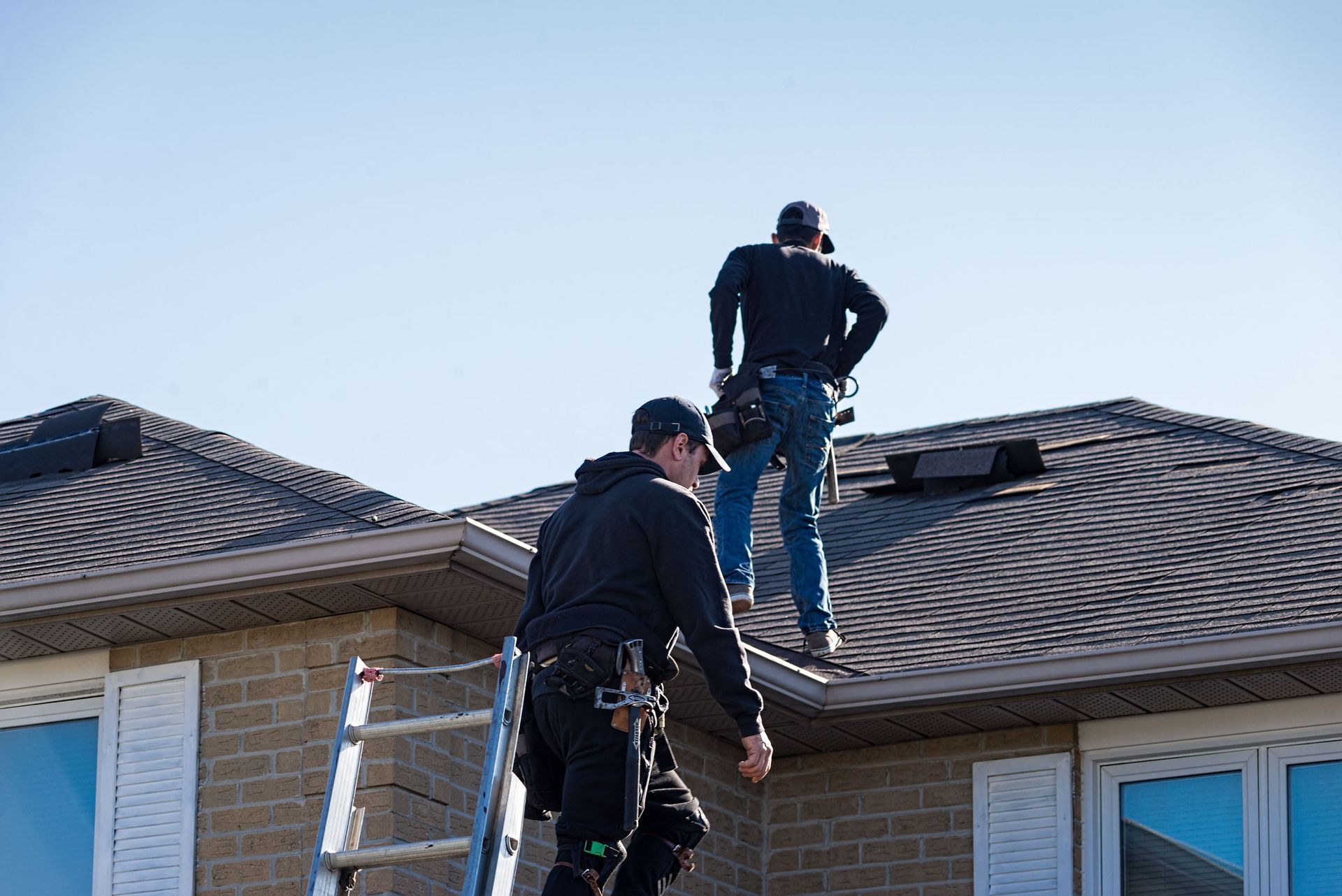
Not all storm damage is easy to identify, and climbing onto a roof without proper experience or equipment can be dangerous. If you have any concerns, contacting professional roofers is the safest and most reliable solution. Local roofers understand how severe weather affects roofs in your region, and they can identify hidden damage that homeowners might overlook.
Professionals also help with documentation if you need to file an insurance claim. Photographs, written assessments, and repair estimates from a licensed roofing company strengthen your case and streamline the claim process. Attempting to diagnose complex issues on your own risks missing critical signs, which can lead to bigger problems later.
At Accent Roofing and Construction, we know how stressful post-storm roof concerns can be. Our team of local roofers is committed to helping homeowners assess damage thoroughly, repair issues quickly, and restore long-term roof integrity. Whether your home experienced high winds, hail, or heavy rain, we provide expert inspections, clear recommendations, and dependable craftsmanship. Protecting your home starts with understanding what storm damage looks like—and we’re here to ensure your roof stays strong, safe, and ready for whatever weather comes next.