By Steve Rawls
June 17, 2026
A home represents a major financial commitment, and protecting that asset begins at the very top. Establishing a resilient overhead shield requires a clear understanding of maintenance, materials, and proper structural planning. By focusing on a few proactive measures, property owners can easily extend the lifespan of their shelter while avoiding expensive emergency repairs. We will explore essential roofing strategies designed to ensure long-term structural integrity and peace of mind.
1. Select the Right Materials
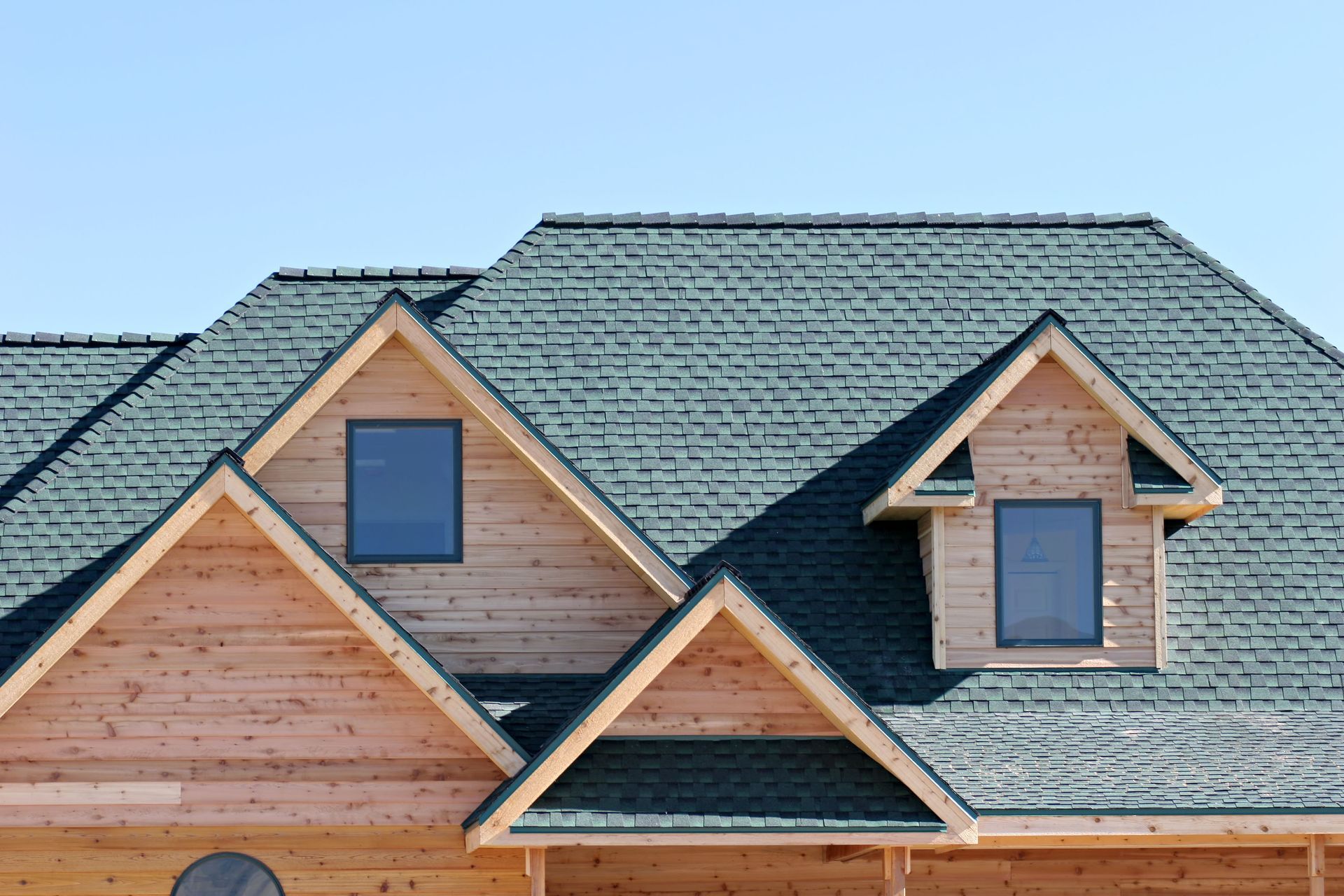
Choosing the ideal options for roofing coverage is a fundamental step toward achieving excellent long-term performance. Different options offer unique advantages, meaning you must carefully evaluate your regional environment and architectural design before selection. Traditional asphalt compositions remain highly favored due to their balance of affordability and straightforward installation. Meanwhile, metal alternatives provide exceptional resilience against severe weather conditions, making them an excellent premium option for many modern properties.
Financial considerations heavily influence this selection process, but homeowners should always weigh upfront expenses against long-term lifecycle value. Investing in high-quality items leads to substantial future savings by minimizing frequent repairs and delaying replacement needs. For instance, data according to Fixr indicates that an asphalt shingle roof replacement yields a national average financial return of nearly 67.5% in 2025. This return demonstrates that selecting reliable materials enhances both protection and property value.
Local weather patterns dictate which items will perform best over several decades. Regions exposed to intense sun require materials that can resist UV degradation and reflect thermal energy effectively. Conversely, areas prone to heavy snow or persistent rainfall demand superior moisture resistance to prevent rot and structural deterioration. Homeowners must also ensure that the weight of the selected covering matches the load-bearing capacity of the underlying frame to avoid sagging.
Environmental sustainability has become another major consideration for modern property owners looking to reduce their ecological footprint. Eco-friendly roofing alternatives, including recycled composite shingles, provide comparable durability while preventing excessive waste from entering landfills. Vegetative systems offer natural insulation and manage stormwater runoff effectively, though they require specialized support. Reflective coatings and specialized metal panels help lower indoor temperatures, providing ongoing utility savings that offset initial installation costs.
2. Apply Correct Installation Techniques
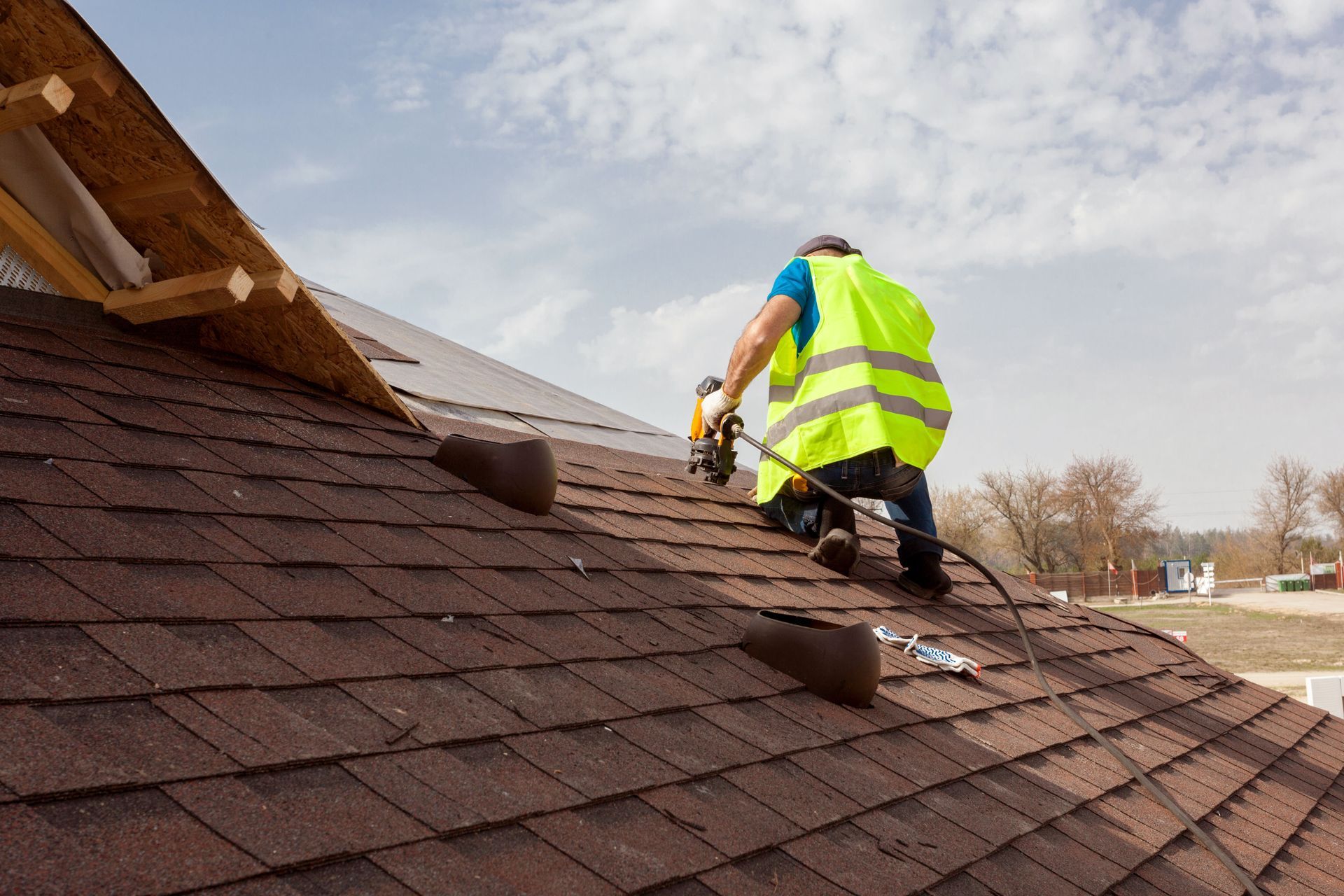
Securing the services of experienced professionals is imperative when executing any major roofing project. Trained contractors possess the specialized tools and technical expertise necessary to handle various materials without compromising structural integrity. A poorly executed installation can lead to immediate leaks, compromised wind resistance, and a shortened operational lifespan. Entrusting this critical task to certified specialists ensures that every component functions exactly as intended from the very beginning.
Skilled technicians understand how to navigate the intricate requirements of modern building codes and specific manufacturer guidelines. This technical compliance is vital because improper application methods can completely void material warranties, leaving homeowners unprotected against defects. Professional teams also carry appropriate liability insurance, safeguarding your property against accidental damage during construction. Making this initial investment in expert labor provides long-term security and invaluable peace of mind.
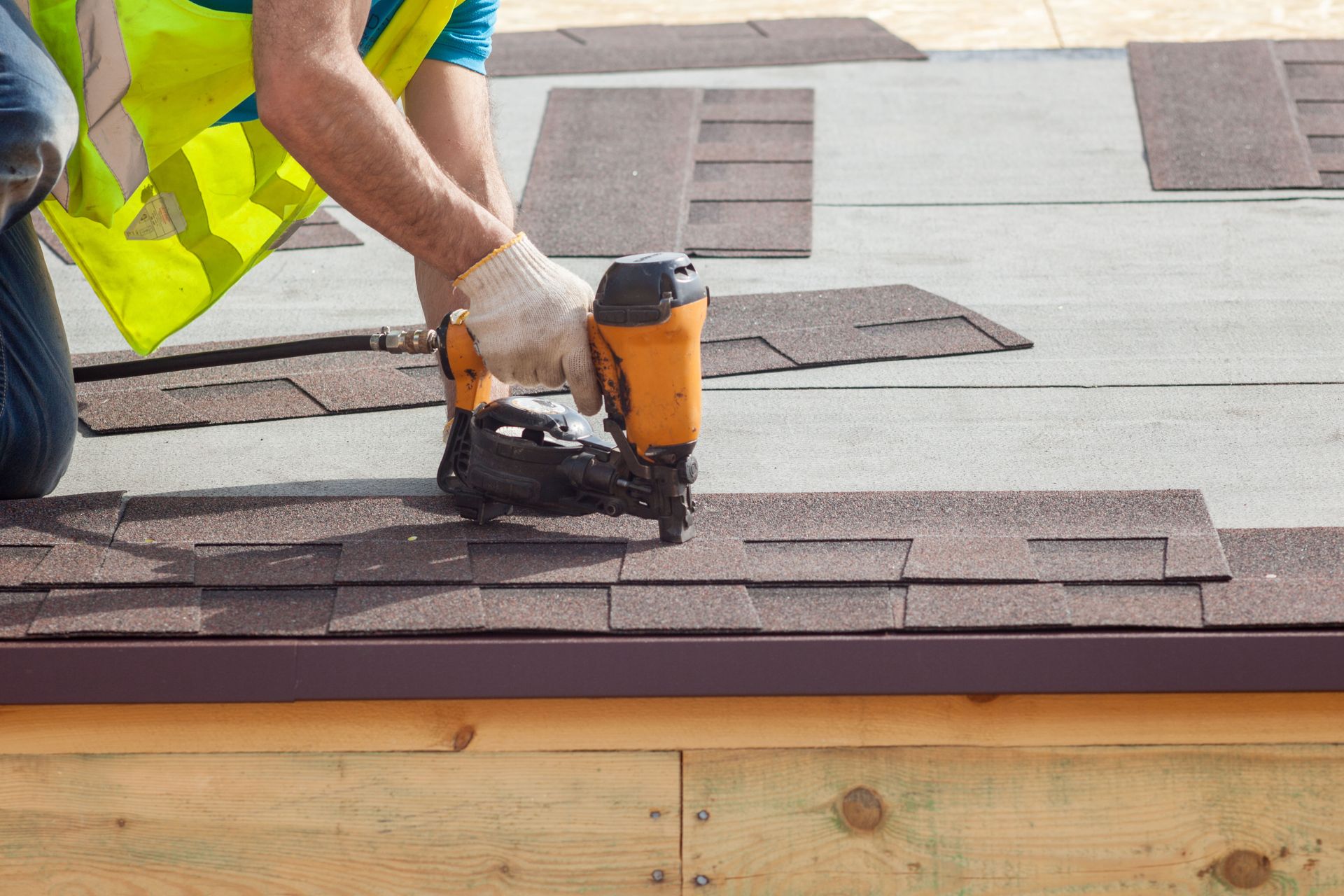
Avoiding common errors during the assembly phase is critical for maintaining a watertight barrier over your home. Misaligned shingles or incorrectly spaced fasteners frequently allow wind and rain to penetrate the underlying deck. Every layer must be meticulously aligned and secured according to precise specifications to prevent premature failure. Specialists pay close attention to high-risk zones, such as valleys and intersections, applying premium underlayment to reinforce these vulnerable locations.
The proper deployment of heavy-duty fasteners and industrial sealants remains a cornerstone of structural roofing stability. Contractors must utilize corrosion-resistant nails or screws that match the specific material being installed to prevent shifting. Sealants must be applied generously around penetrations like pipes, vents, and chimneys to block moisture effectively. A final quality control inspection verifies that all components meet strict safety regulations, guaranteeing a highly reliable shield.
3. Implement Regular Maintenance Practices
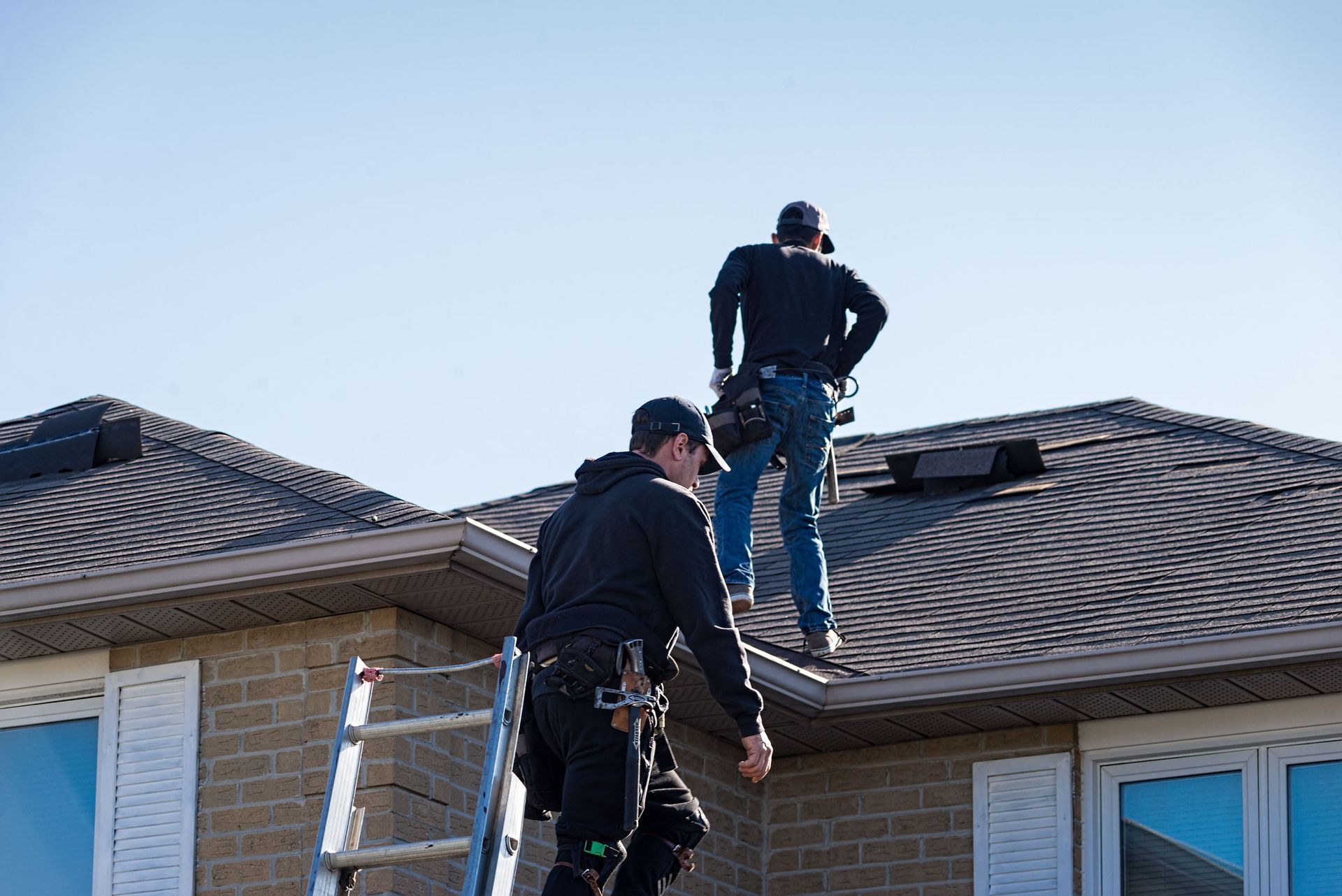
Establishing a consistent care schedule is vital for preserving the long-term health of your home's roofing system. Property owners should perform detailed visual checks semi-annually, ideally during spring and autumn. Catching minor wear, such as cracked seals or shifted panels, allows for quick intervention before issues escalate into major emergencies. This proactive approach saves thousands of dollars over time and maximizes the operational lifespan.
Removing accumulated debris constitutes a simple yet highly effective way to prevent moisture retention and subsequent material decay. Leaves, pine needles, and fallen branches trap water against the surface, creating an ideal breeding ground for moss and algae. Gently sweeping the surface removes these hazards without damaging the protective outer granules. Regular clearing ensures that the structure can dry properly after rainstorms, preserving the underlying integrity of the home.
Maintaining clear gutter systems represents another non-negotiable aspect of home care. When gutters become clogged with organic waste, rainwater backs up beneath the lower edge of the deck, causing localized rot. Ensuring that downspouts remain clear allows water to flow freely away from both the upper structure and the foundation. This straightforward task eliminates a major source of water damage and protects multiple components of your property simultaneously.
Promptly addressing minor damage prevents small issues from transforming into catastrophic structural failures. A single missing shingle or a loose piece of flashing might seem insignificant, but it creates a direct pathway for water intrusion. Adapting your maintenance routine to changing seasonal demands further defends the structure against specific environmental challenges. Hiring professional technicians to mend minor defects immediately keeps the protective barrier intact through extreme heat and severe winter storms.
4. Establish Effective Drainage Systems
Designing a strategic water management layout is critical for protecting the upper structure from moisture-related deterioration. An integrated roofing drainage setup utilizes slope, gutters, and downspouts to guide heavy rainfall safely away from the building. Without a well-planned pathway, water can pool in low areas, accelerating material degradation and causing eventual leaks. Ensuring that your layout accounts for maximum historical rainfall levels prevents system overflows during severe storms.
The overall slope of the structure dictates the type of drainage solutions required for optimal water shedding. Steep configurations naturally utilize gravity to move water quickly toward the perimeter gutters, reducing the risk of pooling. Flat or low-slope architectures require specialized internal drains or scuppers to prevent standing water from compromising the seals. Properly balancing these design elements ensures that moisture never remains on the surface long enough to cause damage.
Gutter systems must be sized correctly and attached securely to handle the volume of water shedding from the slopes. Standard seamless aluminum options provide excellent durability and minimize leaks because they lack joints along their straight sections. Installers must pitch the gutters slightly toward the downspouts to ensure continuous water movement and prevent stagnant pools from attracting pests. Routine structural inspections help verify that brackets remain tightly fastened to fascia boards.
Downspouts serve as the critical final link in safely moving water away from your home's foundation. These vertical pipes must discharge water several feet away from the walls using extensions or splash blocks to prevent soil erosion. Preventing winter ice dams also requires a careful combination of proper insulation and adequate attic ventilation. Keeping these pathways clear of internal obstructions ensures that the entire water management system operates flawlessly year-round.
Achieving long-term durability for your home requires a combination of high-quality materials, precise installation methods, regular inspections, and efficient water management. By committing to these straightforward strategies, property owners can protect their investments and maintain a safe indoor environment for decades. Contact us at Accent Roofing and Construction today so we can begin securing your home for the future.